Turn Poultry Waste into Biogas & Fertilizer: Circular Farming Kenya

Revolutionizing Poultry Farming: Biogas Energy & Organic Fertilizer from Manure in Kenya
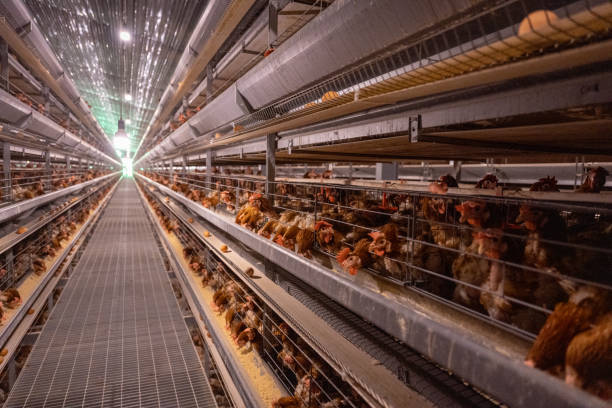
Poultry farming in Kenya, while a vital economic activity, faces a significant challenge: effective poultry manure management. Large-scale operations, such as a 500-layer farm, generate approximately 50 kg of manure daily, accumulating to a staggering 25 tons annually. This substantial waste poses environmental and health risks if not handled properly. However, this challenge presents a golden opportunity for circular farming Kenya – transforming poultry waste into valuable resources: biogas for energy and nutrient-rich organic fertilizer. This approach not only solves a waste problem but also creates new revenue streams and promotes sustainable agriculture.
The Poultry Waste Management Challenge
Untreated poultry manure contributes to greenhouse gas emissions, pollutes water sources through runoff, and can attract pests, leading to potential disease outbreaks. Traditional disposal methods often lack efficiency and can be costly, eroding profit margins for poultry farmers. Recognizing manure as a resource rather than merely waste is the first step towards a more profitable and environmentally responsible farming model. The sheer volume produced daily by a typical layer farm demands an innovative, sustainable solution that aligns with modern agricultural practices.
Biogas Technology: A Sustainable Solution
Tap to continue reading the full article
Tags
Poultry Market Kenya
@poultrymarketkenya
Poultry Market Kenya is a dedicated poultry farming and agribusiness blog focused on empowering farmers, traders, and agri-entrepreneurs across Kenya. We publish practical, data-driven content covering poultry production, disease management, feeding strategies, housing, equipment reviews, and market insights. Our goal is to bridge the gap between traditional poultry farming practices and modern, profitable methods by providing reliable information, expert guidance, and real-world case studies.