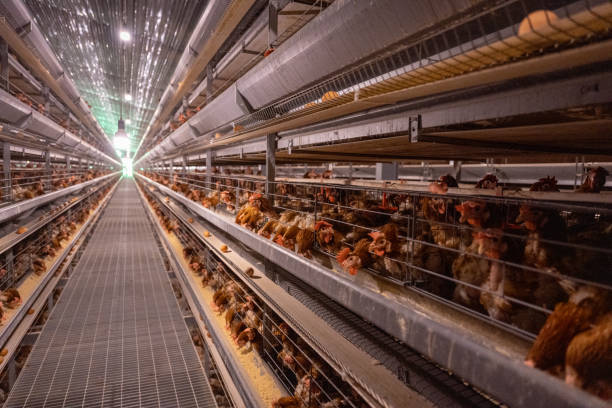
Automated Feeding Systems: Maximizing Profit & Minimizing Waste for Kenyan Poultry Farmers

In the dynamic world of poultry farming, efficiency is paramount to profitability. For Kenyan poultry farmers, whether raising resilient Kienyeji breeds or high-producing exotic varieties, feed costs often represent the largest operational expense. Minimizing feed waste is therefore not just an advantage; it's a critical strategy for sustainable success. This blog post delves into the comparison between low-cost automated feeding systems and traditional manual methods, highlighting how automation can dramatically reduce waste and boost your farm's bottom line, even on a tight budget.
The Costly Reality of Manual Feeding
Manual feeding, while seemingly straightforward and low-cost upfront, often conceals significant hidden expenses, primarily through feed waste. Farmers distributing feed by hand or with basic scoops face several challenges:
- Spillage: Feed often ends up on the floor, soiled and uneaten, due to careless handling, competitive pecking, or poorly designed feeders.
- Contamination: Manual systems are more prone to feed contamination by droppings, litter, or external elements, rendering it unpalatable or unsafe for birds.
- Uneven Distribution: Some birds may get more feed than others, leading to inconsistent growth rates and potential health issues.
- Pest Infestation: Open feed troughs or bags are magnets for rodents, wild birds, and insects,
Tap to continue reading the full article
Tags
Poultry Market Kenya
@poultrymarketkenya
Poultry Market Kenya is a dedicated poultry farming and agribusiness blog focused on empowering farmers, traders, and agri-entrepreneurs across Kenya. We publish practical, data-driven content covering poultry production, disease management, feeding strategies, housing, equipment reviews, and market insights. Our goal is to bridge the gap between traditional poultry farming practices and modern, profitable methods by providing reliable information, expert guidance, and real-world case studies.