Cut Feed Costs 37%: Solutions for Kenya's Poultry Feed Inflation

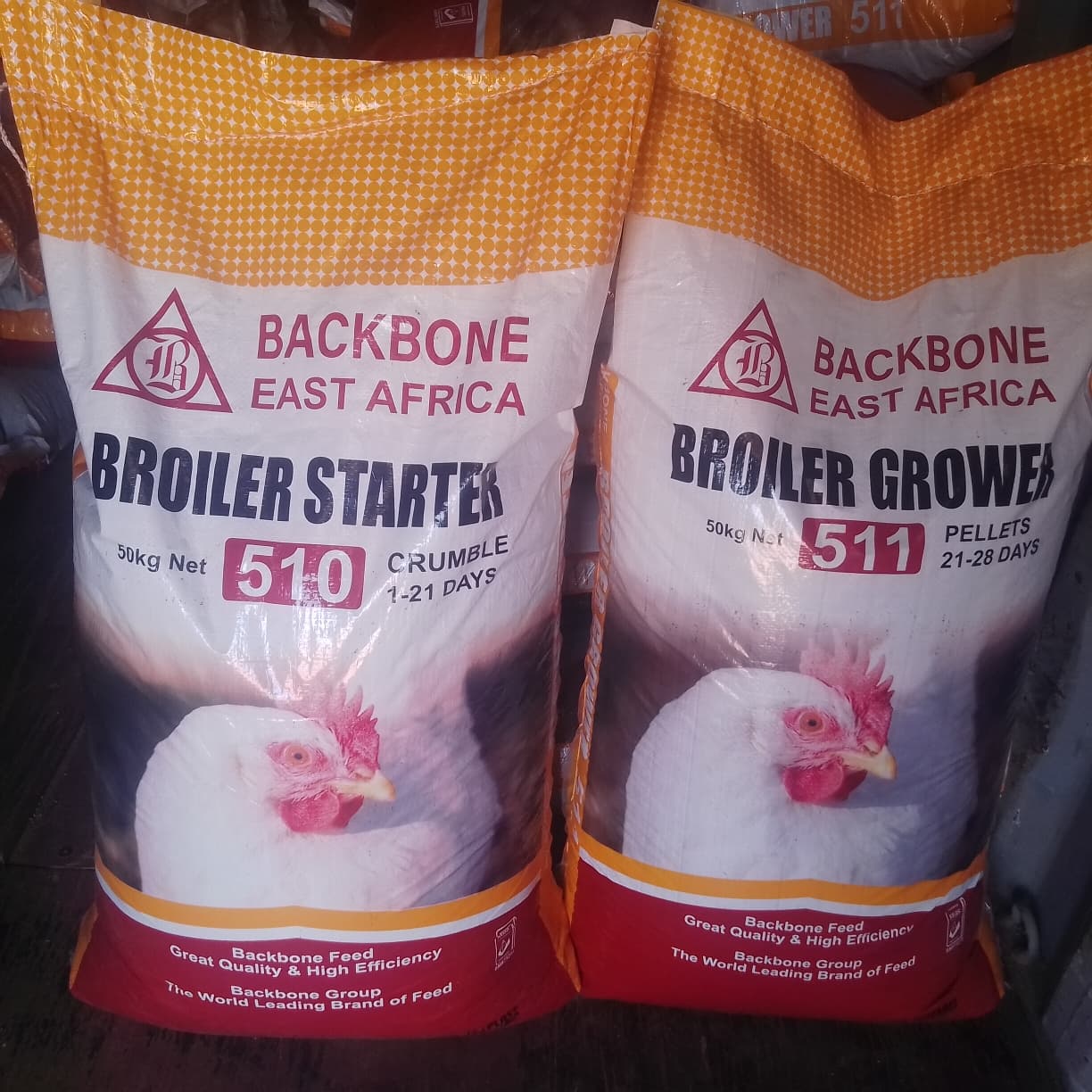
The Kenyan poultry sector is facing an unprecedented challenge: a staggering 37% inflation in feed costs. What was once KSh 50/kg for poultry feed has jumped to an alarming KSh 68.5/kg in 2025. This dramatic increase is stifling growth, eroding profits, and pushing many farmers to the brink. Addressing the Kenya poultry feed cost crisis solutions is not just an option; it's a matter of survival for countless livelihoods.
Crisis Overview: Understanding the Soaring Costs
The 37% hike in poultry feed prices is a multifaceted issue driven by global commodity price volatility, local supply chain disruptions, adverse weather patterns affecting maize and soy production, and increased import duties. These factors collectively burden poultry farmers, making it incredibly difficult to maintain profitability and competitiveness in the market.
Cost Impact Analysis: Beyond the Price Tag
The ripple effect of this inflation is profound. Farmers are experiencing reduced profit margins, difficulty in expanding operations, and in many cases, forced culling or downsizing of flocks. The higher cost of production inevitably leads to increased consumer prices for eggs and poultry meat, potentially reducing demand and creating a vicious cycle for the entire value chain. Sustainable solutions are urgently needed to mitigate these financial pressures and ensure the industry's resilience.
Alternative Feed Sources: Innovative Solutions
Diversifying feed sources is a critical strategy. Several cost-effective and nutritious alternatives can significantly reduce reliance on expensive conventional feeds:
Tap to continue reading the full article
Tags
Poultry Market Kenya
@poultrymarketkenya
Poultry Market Kenya is a dedicated poultry farming and agribusiness blog focused on empowering farmers, traders, and agri-entrepreneurs across Kenya. We publish practical, data-driven content covering poultry production, disease management, feeding strategies, housing, equipment reviews, and market insights. Our goal is to bridge the gap between traditional poultry farming practices and modern, profitable methods by providing reliable information, expert guidance, and real-world case studies.