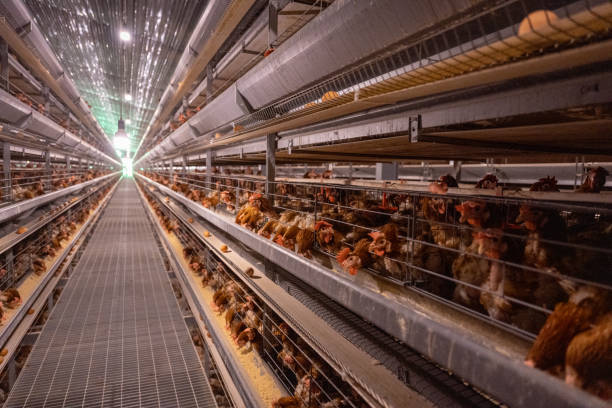
From Waste to Wealth: Sustainable Manure Recycling for a Circular Economy in Kenyan Poultry Farming

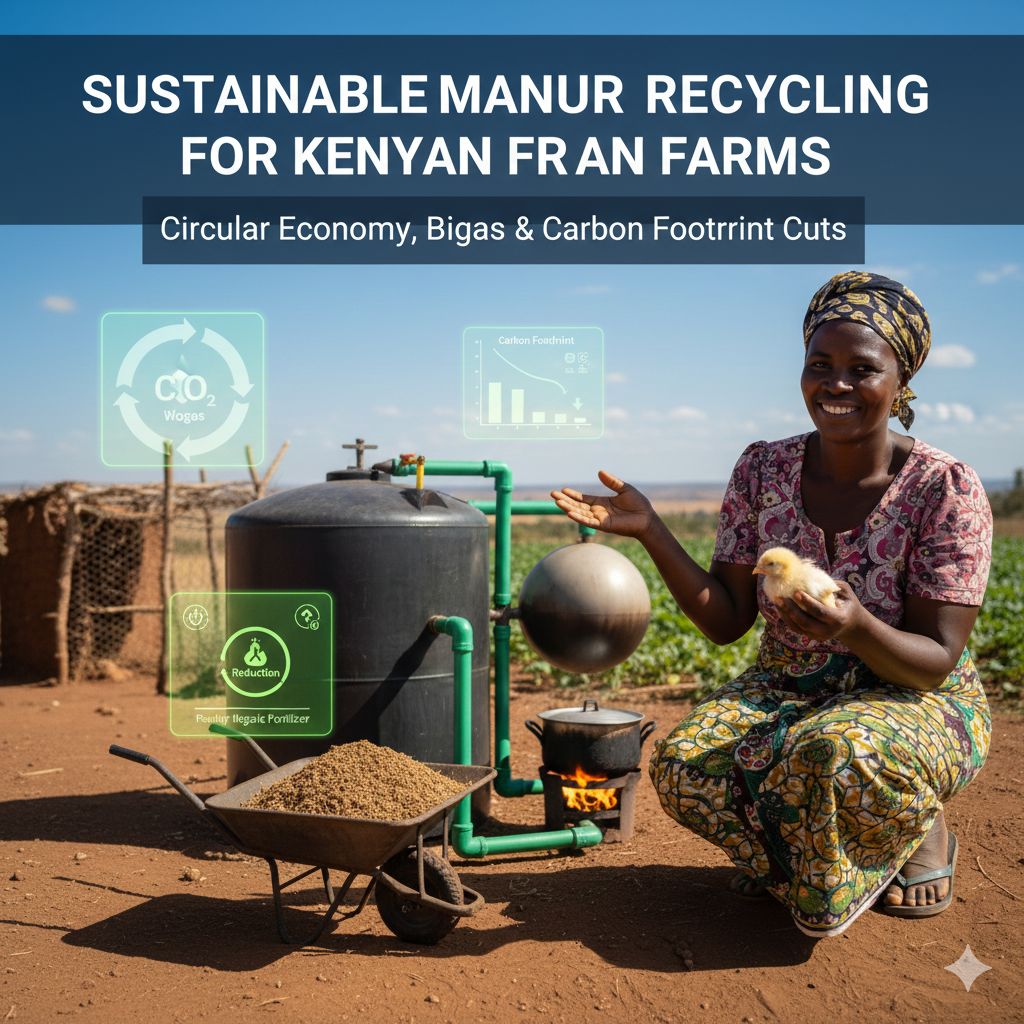
From Waste to Wealth: Sustainable Manure Recycling for a Circular Economy in Kenyan Poultry Farming
In the dynamic and growing poultry sector in Kenya, effective waste management is no longer just an environmental obligation but a golden opportunity for economic growth and sustainability. As poultry farms expand to meet increasing demand, the sheer volume of manure produced presents both a challenge and a valuable resource. Embracing sustainable manure recycling and circular economy strategies offers Kenyan producers a pathway to not only mitigate environmental impact but also generate new revenue streams, reduce operational costs, and build a more resilient farming system. This article delves into practical approaches, highlighting the immense potential of biogas from poultry waste, renewable energy adoption, and significant carbon footprint cuts for a brighter, greener future.
The Imperative for Sustainable Poultry Waste Management
Traditional methods of manure disposal often lead to environmental issues such as soil and water pollution, greenhouse gas emissions, and unpleasant odors. However, when viewed through a circular economy lens, poultry manure transforms from a burdensome waste product into a valuable feedstock. A circular economy aims to keep resources in use for as long as possible, extract the maximum value from them whilst in use, then recover and regenerate products and materials at the end of each service life.
Tap to continue reading the full article
Tags
Poultry Market Kenya
@poultrymarketkenya
Poultry Market Kenya is a dedicated poultry farming and agribusiness blog focused on empowering farmers, traders, and agri-entrepreneurs across Kenya. We publish practical, data-driven content covering poultry production, disease management, feeding strategies, housing, equipment reviews, and market insights. Our goal is to bridge the gap between traditional poultry farming practices and modern, profitable methods by providing reliable information, expert guidance, and real-world case studies.