Mastering Parasite Control: An Essential Deworming Schedule for Kenyan Poultry

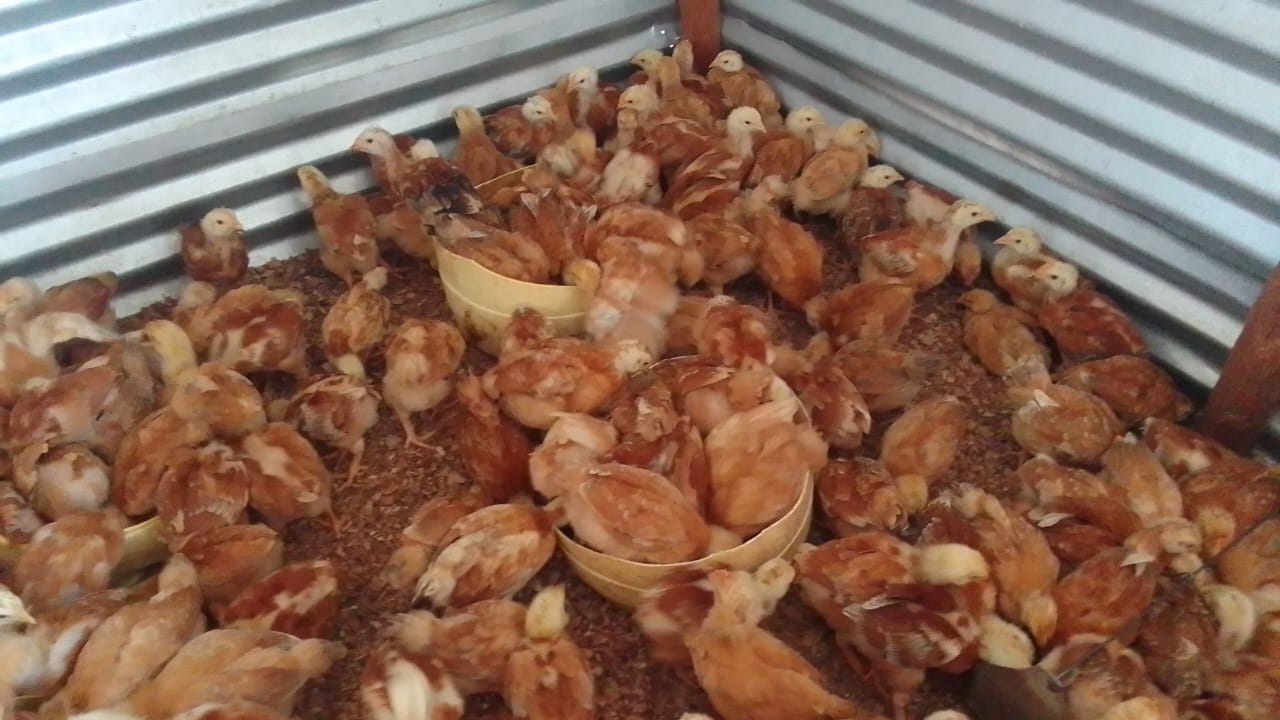
Parasitic infestations pose a significant threat to poultry health and productivity, particularly in diverse climatic conditions like those found in Kenya. Effective parasite control is not merely a recommendation; it is a critical component of successful poultry farming. Neglecting a consistent deworming schedule can lead to stunted growth, reduced egg production, poor feed conversion, increased susceptibility to other diseases, and even mortality. This guide outlines a strategic and cost-effective solutions for poultry deworming parasites Kenya schedule, tailored to the unique challenges and prevalent local parasite species found in the region.
Understanding the Enemy: Common Poultry Parasites in Kenya
Poultry in Kenya are susceptible to a range of internal and external parasites. Internal parasites, primarily gastrointestinal worms, are a major concern. These include:
- Roundworms (Ascaridia galli): The most common intestinal worm, they absorb nutrients directly from the bird's gut, leading to poor growth and nutrient deficiencies.
- Tapeworms (Cestodes): These flat, segmented worms attach to the intestinal lining, interfering with digestion and nutrient absorption. Their indirect life cycle often involves intermediate hosts like beetles or slugs.
- Caecal Worms (Heterakis gallinarum): Primarily found in the caeca, these worms are less pathogenic themselves but can transmit Histomonas meleagridis, the causative agent of blackhead disease, especially in turkeys.
- Capillary Worms (Capillaria spp.): Small and thread-like, these worms embed in the intestinal lining, causing severe inflammation and malabsorption.
Tap to continue reading the full article
Tags
Poultry Market Kenya
@poultrymarketkenya
Poultry Market Kenya is a dedicated poultry farming and agribusiness blog focused on empowering farmers, traders, and agri-entrepreneurs across Kenya. We publish practical, data-driven content covering poultry production, disease management, feeding strategies, housing, equipment reviews, and market insights. Our goal is to bridge the gap between traditional poultry farming practices and modern, profitable methods by providing reliable information, expert guidance, and real-world case studies.