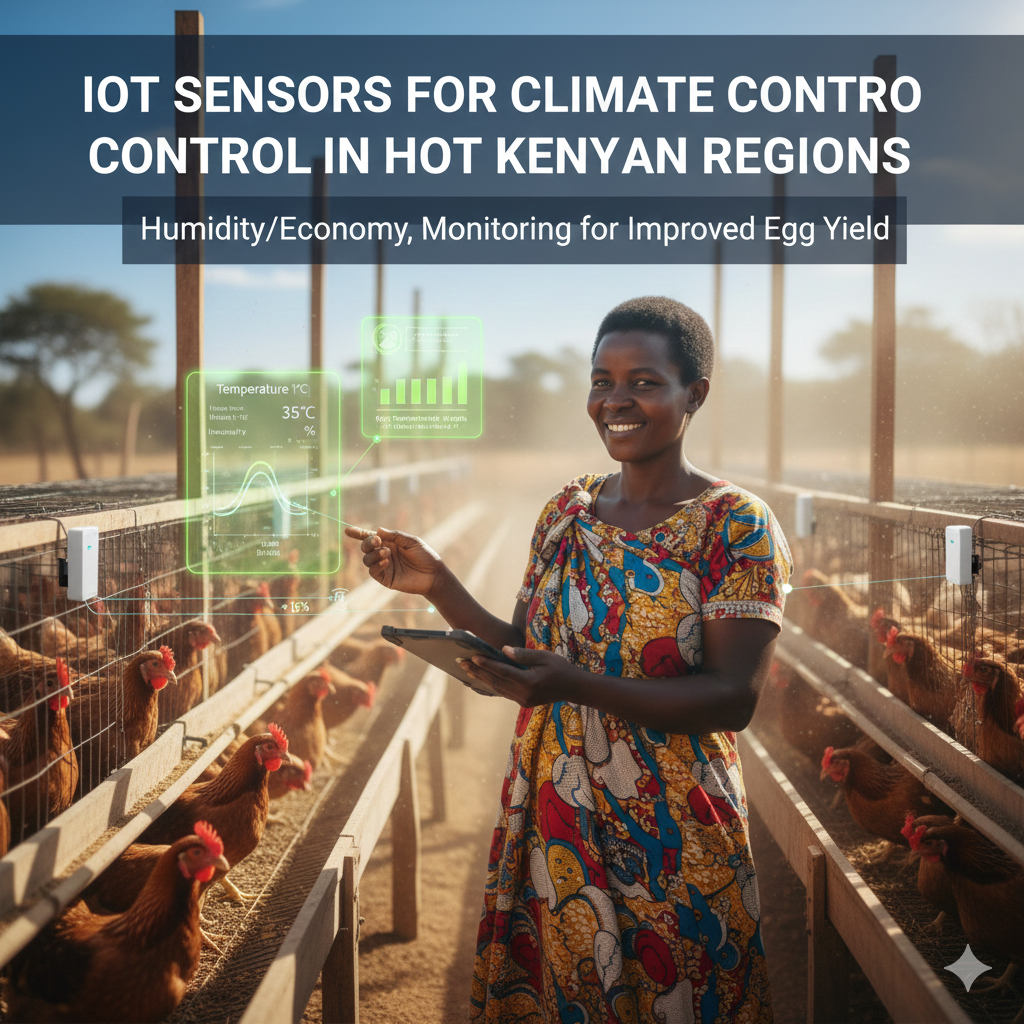
Revolutionizing Poultry: IoT Sensors for Optimal Climate Control in Kenya's Arid Regions

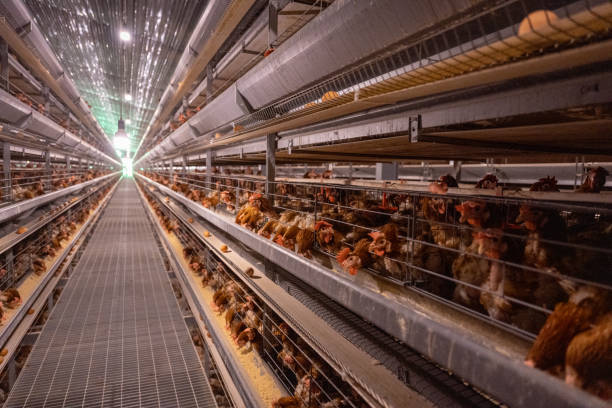
In the dynamic and often challenging world of poultry farming, maintaining an ideal environment for your flock is paramount to their health, productivity, and ultimately, your farm's profitability. This challenge is particularly pronounced in hot, arid regions like Kenya's Kitui County, where extreme temperatures and fluctuating humidity levels can severely stress birds, leading to significant drops in egg yield and overall welfare. Fortunately, the advent of Internet of Things (IoT) sensors is offering a revolutionary solution, empowering poultry farmers with unprecedented control over their farm's microclimate.
The Climate Conundrum: Poultry Farming in Arid Zones
Kenya's arid and semi-arid lands (ASALs), including areas such as Kitui, are characterized by high daytime temperatures, often exceeding 30°C, and significant diurnal temperature variations. Humidity can swing wildly, from extremely low levels leading to dehydration and respiratory issues, to sudden spikes that encourage pathogen growth. For layer farms, these environmental stressors are detrimental:
- Heat Stress: High temperatures cause layers to reduce feed intake, pant excessively, and divert energy from egg production to cooling themselves. This results in smaller eggs, thinner shells, and a reduction in laying percentage.
- Humidity Extremes: Low humidity can lead to dust build-up, irritating respiratory systems and increasing susceptibility to diseases.
Tap to continue reading the full article
Tags
Poultry Market Kenya
@poultrymarketkenya
Poultry Market Kenya is a dedicated poultry farming and agribusiness blog focused on empowering farmers, traders, and agri-entrepreneurs across Kenya. We publish practical, data-driven content covering poultry production, disease management, feeding strategies, housing, equipment reviews, and market insights. Our goal is to bridge the gap between traditional poultry farming practices and modern, profitable methods by providing reliable information, expert guidance, and real-world case studies.