Harnessing the Sun: Solar-Powered Brooders Revolutionize Chick Rearing for Kenyan Smallholders

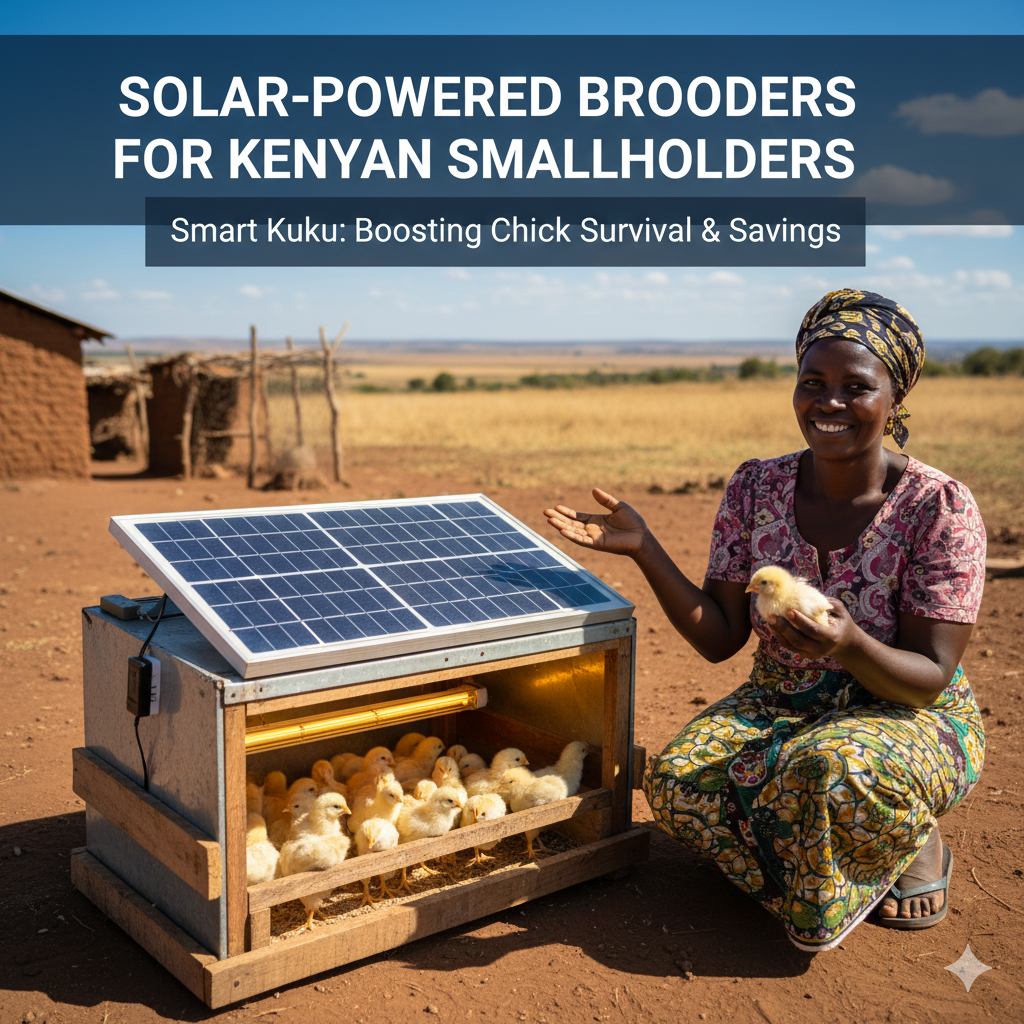
In the dynamic world of poultry farming, the initial weeks of a chick's life are undeniably critical. Proper brooding is the cornerstone of a healthy flock, directly impacting growth, productivity, and ultimately, a farmer's profitability. For countless smallholder poultry farmers across rural Kenya, however, achieving optimal brooding conditions presents a significant challenge. Traditional brooding methods, often relying on charcoal, kerosene lamps, or even rudimentary fire, are not only costly and labor-intensive but also prone to inconsistent temperatures, fire hazards, and high chick mortality rates. This often leads to substantial losses, undermining the potential for sustainable poultry enterprises.
The Urgent Need for Sustainable Brooding Solutions
The challenges faced by Kenyan smallholder farmers in chick rearing are multifaceted:
- High Mortality Rates: Many farmers report that nearly half of their young chicks do not survive beyond eight weeks, primarily due to poor temperature regulation, inadequate housing, and susceptibility to diseases. Without a stable, warm environment, chicks are vulnerable to cold stress, which weakens their immune systems and increases the risk of illness.
- Exorbitant Costs: Fuel for traditional brooders, such as charcoal and kerosene, represents a significant ongoing expense.
Tap to continue reading the full article
Tags
Poultry Market Kenya
@poultrymarketkenya
Poultry Market Kenya is a dedicated poultry farming and agribusiness blog focused on empowering farmers, traders, and agri-entrepreneurs across Kenya. We publish practical, data-driven content covering poultry production, disease management, feeding strategies, housing, equipment reviews, and market insights. Our goal is to bridge the gap between traditional poultry farming practices and modern, profitable methods by providing reliable information, expert guidance, and real-world case studies.