Automated Incubators for Kenyan Hatcheries: Boosting Kienyeji Hatch Rates and Scaling Production

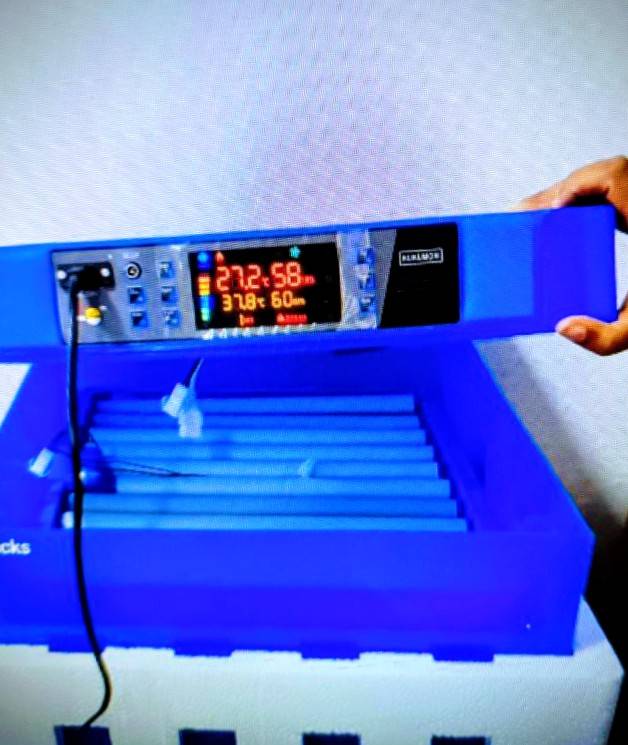
In the dynamic landscape of Kenyan poultry farming, the adoption of automated incubators has emerged as a pivotal strategy for enhancing efficiency, improving hatch rates, and facilitating significant scaling of operations. From small-scale farmers looking to grow their Kienyeji flocks to commercial hatcheries aiming for thousands of day-old chicks, modern incubation technology offers precision and consistency that traditional methods often lack. This comprehensive guide delves into the world of automated incubators, reviewing popular Kenyan models like Neochicks and Ecochicks, exploring optimal hatch rates for indigenous Kienyeji eggs, and outlining a clear path for scaling production from 100 to 1,000 chicks and beyond.
The Transformative Power of Automated Incubation
Automated incubators represent a significant leap forward for poultry farmers. They eliminate the variability inherent in natural incubation by providing precise control over critical environmental factors: temperature, humidity, and egg turning. This consistency is crucial for embryonic development, leading to stronger chicks and higher hatch percentages. For Kenyan farmers, this means a reliable supply of Kienyeji chicks, a highly sought-after breed known for its hardiness and demand in local markets.
Why Automation Matters for Kenyan Poultry:
Tap to continue reading the full article
Tags