Thriving in the Heat: Choosing the Best Poultry Breeds for Kenyan Climates

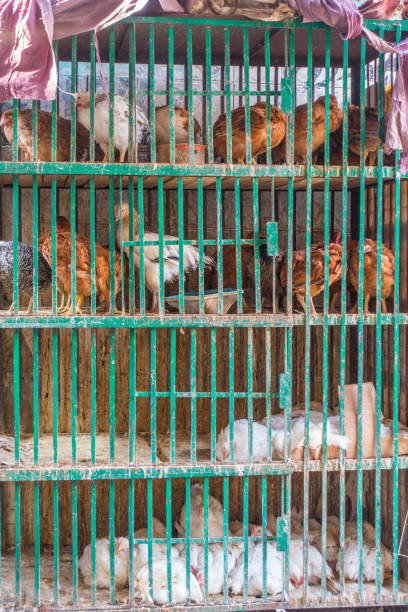
In the dynamic and often challenging environment of Kenyan poultry farming, selecting the right breed is paramount for success. The country's diverse climate, particularly the arid and semi-arid regions, presents unique challenges that demand resilient and adaptable poultry. This blog post delves into a detailed comparison of three prominent poultry breeds – Kuroilers, Sasso, and local Kienyeji chickens – focusing on their heat tolerance, feed efficiency, and ultimately, their return on investment (ROI) in these demanding conditions.
The Kenyan Climate Challenge: Arid and Semi-Arid Regions
Kenya's arid and semi-arid lands (ASALs) are characterized by high temperatures, low rainfall, and often scarce resources. These conditions can significantly impact poultry health, productivity, and the overall profitability of a farming enterprise. Factors such as heat stress can lead to reduced feed intake, slower growth rates, decreased egg production, and increased susceptibility to diseases. Therefore, choosing breeds that can naturally withstand these environmental stressors is a critical first step towards a sustainable and profitable poultry venture.
Breed Spotlight: Kuroiler, Sasso, and Kienyeji
1. Kuroiler Chickens
Kuroilers are a dual-purpose breed originating from India, known for their rapid growth and decent egg production. They are a crossbreed developed to combine the hardiness of local chickens with the productivity of commercial layers and broilers.
Tap to continue reading the full article
Tags