Best Poultry System for You: Free-Range vs. Deep Litter vs. Battery Cages in Kenya

Best Poultry System for You: Free-Range vs. Deep Litter vs. Battery Cages in Kenya
Deciding on the right housing system is one of the most critical choices a poultry farmer makes. The housing system affects startup costs, bird welfare, labor requirements, disease control, and ultimately, profitability. For a Kenyan farmer managing 200 birds, the decision carries even greater weight due to capital constraints and local market demands.
This comprehensive guide analyzes the three main housing systems—free-range, deep litter, and battery cages—helping you select the best fit for Kienyeji and broiler production in Kenya. We’ll break down costs, labor, welfare implications, and practical tips tailored to local conditions.
Overview of the Three Systems
Free-Range System
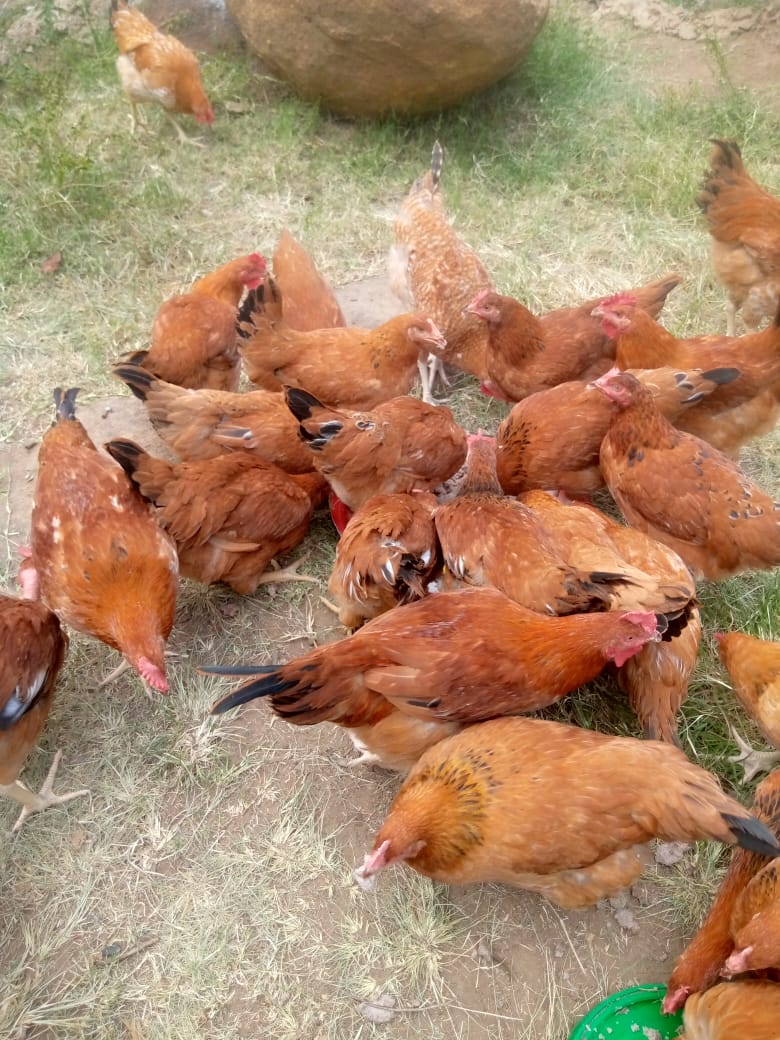
In a free-range system, birds have continuous access to outdoor areas where they can roam, forage, and express natural behaviors. Housing provides shelter and nesting boxes, but birds spend significant time outdoors.
Deep Litter System
The deep litter system keeps birds indoors on a thick layer of absorbent bedding material (sawdust, wood shavings, rice husks) that builds up over time. The litter decomposes droppings and requires periodic turning and replacement.
Battery Cage System
Battery cages are wire enclosures arranged in tiers, confining birds to small individual or small-group spaces. Feeders and drinkers are automated, eggs roll to collection trays, and waste drops through the cage floor.
Comparative Analysis for 200 Birds in Kenya
Tap to continue reading the full article
Tags
Poultry Market Kenya
@poultrymarketkenya
Poultry Market Kenya is a dedicated poultry farming and agribusiness blog focused on empowering farmers, traders, and agri-entrepreneurs across Kenya. We publish practical, data-driven content covering poultry production, disease management, feeding strategies, housing, equipment reviews, and market insights. Our goal is to bridge the gap between traditional poultry farming practices and modern, profitable methods by providing reliable information, expert guidance, and real-world case studies.